

Clients don’t buy proposals, they buy confidence. And confidence comes from structure. A top-tier consulting proposal does two jobs at once:
- It tells a compelling, decision-ready story: Context → Challenge → Solution (often described as Situation–Complication–Resolution in consulting) so the client feels understood and sees a clear way forward.
- It proves you can execute: it details the work, the steps, the client’s role, the timeline, the pricing logic, and the proof that you’ve done similar work, exactly the practical “mission content” emphasis in your screenshots.
Below is a single structure that mixes the top-tier consulting narrative with the very concrete sections from your screenshots, so your proposal reads like premium consulting and feels operationally safe.
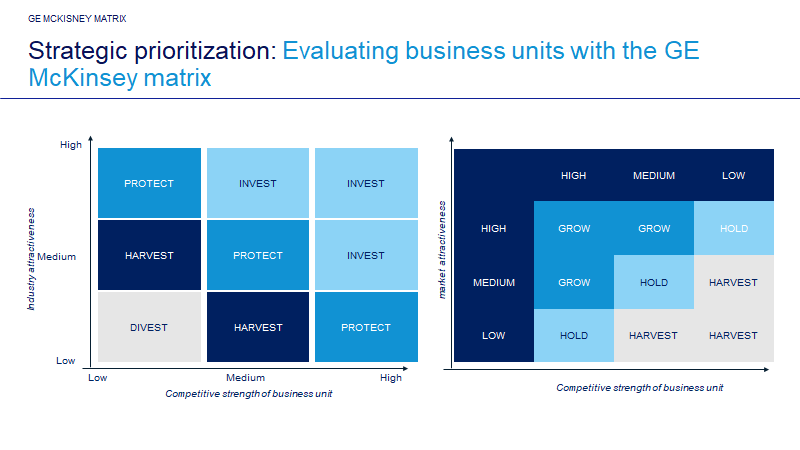
A. Executive Summary (1 page)
Goal: make the proposal understandable in under 90 seconds.
Include:
- Your understanding of the client’s situation (1–2 lines)
- The core challenge and why it matters now
- The objective and what success looks like
- The proposed approach (phases/workstreams)
- Timeline + team + fee headline
- The decision required and next step
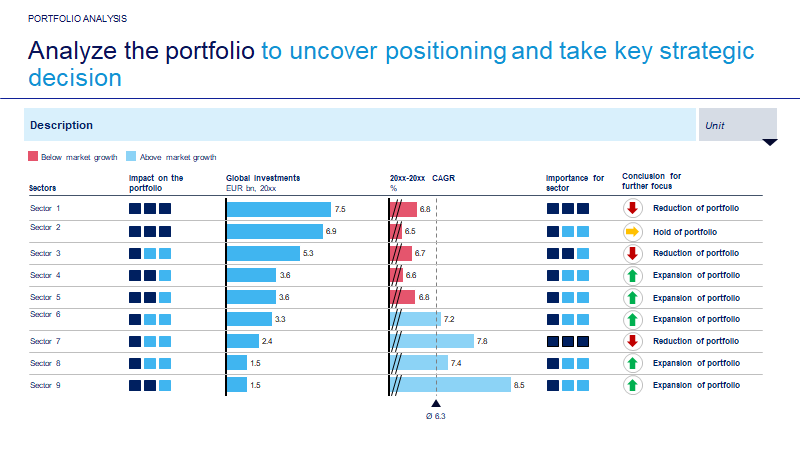
Example of Exective Summary Templae
B. Context & Background: Understanding of the client’s needs
Include:
- Context: what is happening around the organization (growth, cost pressure, regulation, transformation, etc.)
- Current state: what works and what doesn’t
- Stakeholders: who is impacted (functions, regions, customer segments)
- Constraints: time, budget, internal capacity, data/tool access
- Success measures: 2–4 indicators (even if preliminary)
C. The problem and stakes
Top-tier proposals explicitly explain the complication and the impact if nothing changes.
Include:
- A crisp problem statement (one sentence)
- Key drivers (3–5 bullets)
- Business impact (cost, risk, customer, speed, growth)
- Key questions this project must answer
D. Objectives and proposed solution
Include:
- 1–3 objectives in simple language
- Solution pillars / workstreams (2–4 max)
- Expected outcomes
- A short statement of value (why this solution works)
E. Complete description of the proposed work
This is the “what we will do” section from your screenshots, but written in a top-tier, client-friendly way.
Structure it as:
- Phase/workstream name
- Activities (what you will actually do)
- Deliverables (what the client receives)
- Decision checkpoint (what gets validated)
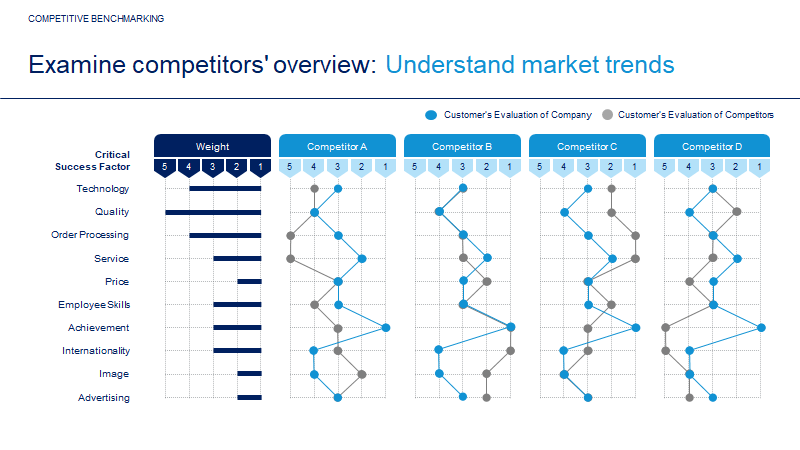
Example of Exective Summary Templae
F. Think through every step
This is a key strength from your screenshots: you explicitly list the mechanics of collaboration and what could block progress.
Include:
- Progress meetings (cadence + attendees)
- Client validation points (what is approved and when)
- Consultant work products (analysis, workshops, synthesis, recommendations)
- Client responsibilities (“second work”) such as:
- providing documents/data access
- scheduling interviews
- making decisions quickly
- aligning internal stakeholders
- Likely blockers (procurement, access, availability, logistics)
G. Engagement conditions (Continuation / Pause Rules)
This maps directly to your screenshot’s emphasis on reassurance and partial results.
Include:
- Milestones and what “partial results” look like
- Clear criteria to continue, pause, or stop
- What happens if prerequisites are not met (e.g., access delayed)
- How the commercial model aligns with milestones (if applicable)
Tip: Define the decision criteria in advance. It reduces risk and increases trust.
H. Methodology (How You Will Work)
Blend the top-tier “approach steps” with your screenshot’s warning not to be too vague.
Include:
- 4–7 step method (plain words)
- How you gather facts (data, interviews, workshops)
- How you build options and make decisions
- How you validate with the client (checkpoints)
- What is flexible vs fixed
I. Detailed planning (Timeline + Who does what)
From your screenshot: remove ambiguity around “who does what, and when.”
Include:
- Timeline with phases and milestones
- Roles and responsibilities (client vs consultant)
- Meeting rhythm
- Key dates and decision meetings
Example of Exective Summary Templae
J. Pricing and associated costs
Keep it structured and “audit-proof.”
Include:
- Pricing model (fixed fee or milestone-based is common in premium proposals)
- Fee breakdown by phase/workstream
- Included vs excluded items
- Expense policy (travel, tools, etc.)
- Key assumptions that affect price
K. Team competencies and firm strengths (back-up)
Include:
- Team roles and allocations (who is actually staffed)
- Relevant expertise and assets (benchmarks, playbooks, accelerators)
- How your team reduces risk (governance, proven tools)
- Evidence (outcomes, credentials)
L. References to previous engagements (back-up)
Include 2–4 mini cases:
- Situation
- What you did
- Results
- Relevance to this mission
M. Conclusion
A strong proposal is not “long”—it’s structured. Top-tier firms win because they combine:
- a clear story that shows understanding and urgency, and
- a practical plan that makes delivery and approval feel safe.
If you adopt the structure above, you’ll produce proposals that are easier to read, easier to defend internally, and far more likely to be approved—because the client is never forced to guess what happens next.