

Many decisions fail not because people lack intelligence, but because their thinking stays implicit: assumptions are scattered, “common sense” goes unchallenged, and teams jump into analysis without agreeing on what they actually believe.
A Hypothesis Tree fixes that. It helps you turn prior knowledge, instincts, and educated guesses into a clear, testable structure, so you can see how your assumptions relate, where your logic is strong or weak, and what to validate first.
A. What is a Hypothesis Tree?
A Hypothesis Tree is a structured diagram that displays potential solutions (or solution logic) in a tree format. It starts from a main hypothesis statement, an assumption about what should be done to achieve a goal, and then breaks down the reasoning into smaller, supporting hypotheses.
Think of it as a way to turn “I believe this will work” into a transparent chain of logic that you can test.
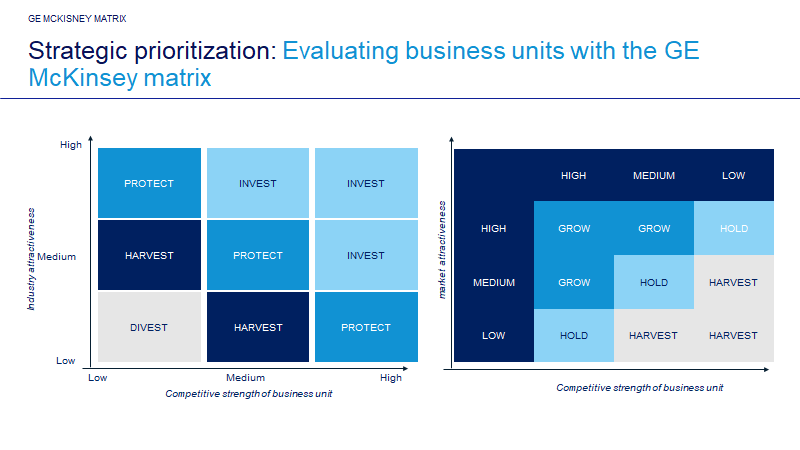
Example of Exective Summary Templae
B. When to use a Hypothesis Tree?
A Hypothesis Tree is most effective when you already have some knowledge or experience in the topic area. Instead of investigating everything, you use your insight to:
- identify the most plausible directions
- make assumptions explicit (instead of leaving them implicit)
- focus your time on validating what’s likely, not exploring every possibility
This is especially useful in:
- project planning
- strategic decision-making
- diagnosing operational problems
- designing interventions (business, public health, product, etc.)
C. “Hypothesis Tree” vs. “Issue Tree” vs. “Hypotheses Tool”
People often mix up structured tree tools. Here’s the key distinction:
C.1. Hypothesis Tree (solution-focused)
- Starts with a statement (a proposed direction or action).
- Shows assumptions about solutions and why they should work.
C.2. Issue Tree (question-focused)
- Starts with a question.
- Expands into branches that help you explore the problem space systematically.
C.3. Hypotheses Tool (cause-focused)
- Focuses on hypotheses about root causes.
- Helps you phrase and test assumptions about what is causing the problem, not primarily what to do about it.
In practice:
- Use a Problem Tree / root cause work first if needed.
- Then use a Hypothesis Tree to map the solution logic.
D. The Core Logic: The “Why” links between levels
The structure matters:
- Your main hypothesis is the top statement (what you believe should be done).
- Each level underneath explains why the higher-level statement makes sense.
- Each “why” should be answered by one or more sub-hypotheses.
A useful way to think about it:
- Left side: the “why” connection
- Right side: the “because” explanations (the sub-hypotheses)
E. Step-by-Step: How to build a Hypothesis Tree
A Hypothesis Tree is built on assumptions and educated guesses. That’s not a weakness—it’s the point.
You’re not trying to “prove you’re right” in the tree.
You’re trying to:
- make assumptions explicit
- prioritize what to test
- learn quickly what’s true or false
Step 1: Start from the right problem
- If you already have a Problem Tree, use it.
- If not, it’s often worth building one first so your Hypothesis Tree targets the correct root problem.
Step 2: Draft the main hypothesis (action-oriented)
- Example structure: “To achieve XYZ, the company should do ABC.”
Step 3: Break it down into 3–5 sub-hypotheses
- Each should justify why the top action would work.
Step 4: Continue one more level down (optional but powerful)
- Under each sub-hypothesis, add more detailed hypotheses describing:
- mechanisms
- required conditions
- key initiatives
- likely obstacles
Step 5: Add counter-hypotheses (“why not?”)
- Include alternatives and objections:
- “This may not work if…”
- “An alternative is…”
This prevents the tree from becoming a confirmation bias machine.
Step 6: Check MECE (Mutually Exclusive, Collectively Exhaustive)
- Your child branches should:
- not overlap (mutually exclusive)
- together cover the parent statement (collectively exhaustive)
- If two branches feel similar, merge or clarify them.
- If something important is missing, add it.
Step 7: Validate with experts and data
- Because the tool assumes prior knowledge, you should test the tree with:
- stakeholders
- domain experts
- quick data checks
- small experiments
F. Examples
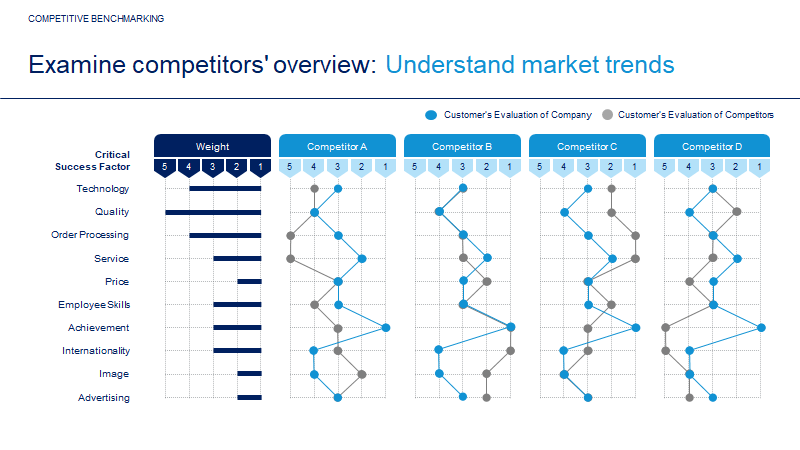
Example of Exective Summary Templae
Example of Exective Summary Templae
G. Conclusion
A Hypothesis Tree is a practical tool for structured problem solving when you already have some insight into the topic. By starting with an action-oriented hypothesis (“To achieve X, we should do Y”) and breaking it down into layered “why” justifications, you make your reasoning visible and therefore testable. The real value is not being “right” immediately, it’s being able to prove what’s right or wrong efficiently, while staying MECE and considering counter-arguments. Used well, a Hypothesis Tree becomes a roadmap for smart diagnosis, sharper priorities, and better decisions